Signs Your Artificial Grass Needs Repair
If you notice signs your artificial grass needs repair, local service providers can assess damage and restore your turf for a safe, attractive surface.
If your artificial grass isn’t looking as fresh or even as functional as it once did, it might be a sign that repair services are needed. Property owners in the area often notice issues like uneven surfaces, bald patches, or areas where the turf has become loose or displaced. These signs can affect the overall appearance of a yard and may even impact safety or usability. Recognizing these early warning signs can help prevent further damage and ensure the turf remains a clean, attractive part of any outdoor space.
Understanding when artificial grass needs repair is essential for maintaining its longevity and appearance. Local contractors specializing in artificial turf repair are equipped to address common problems such as matting, tears, or drainage issues. If signs like fading, loose seams, or uneven patches start to appear, reaching out to experienced service providers can restore the turf’s original look and function. Keep reading to learn more about how these professionals can help keep artificial grass in top condition.
- Patchwork repairs - when areas of artificial turf show uneven patches or loose seams, local contractors can perform spot repairs to restore a smooth surface.
- Infill replacement - signs of uneven or sparse grass may indicate the need for infill topping, which local service providers can safely apply to maintain turf stability.
- Drainage fixes - pooling water or soggy spots often signal drainage issues that local pros can address through proper grading and system adjustments.
- Damage restoration - tears, burns, or heavy stains on artificial grass can be repaired or replaced by local contractors to extend the turf’s lifespan.
- Edge stabilization - edges lifting or curling suggest the need for re-anchoring, which local service providers can handle to keep the turf securely in place.
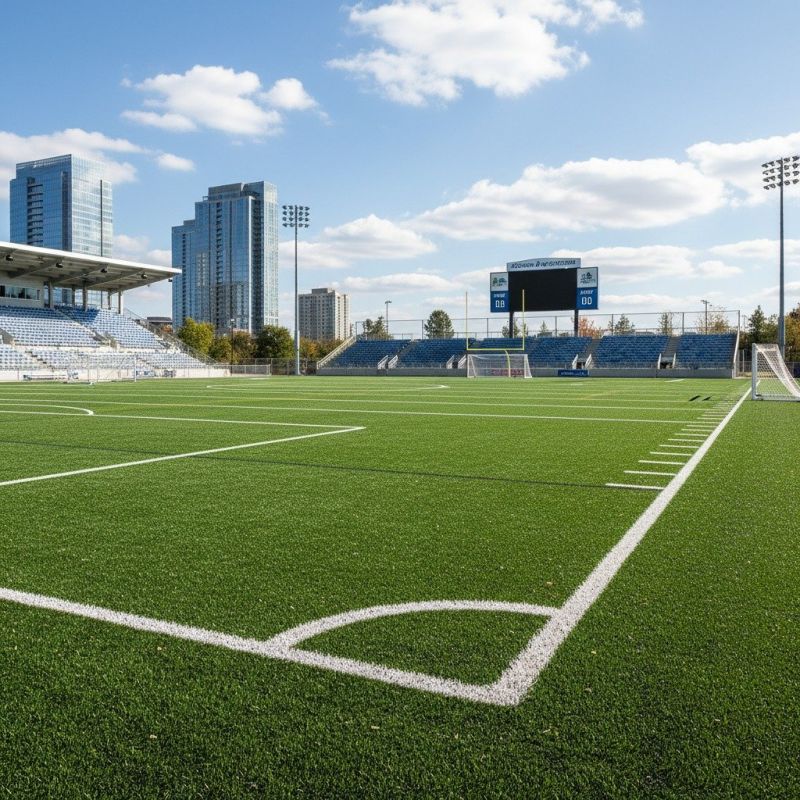
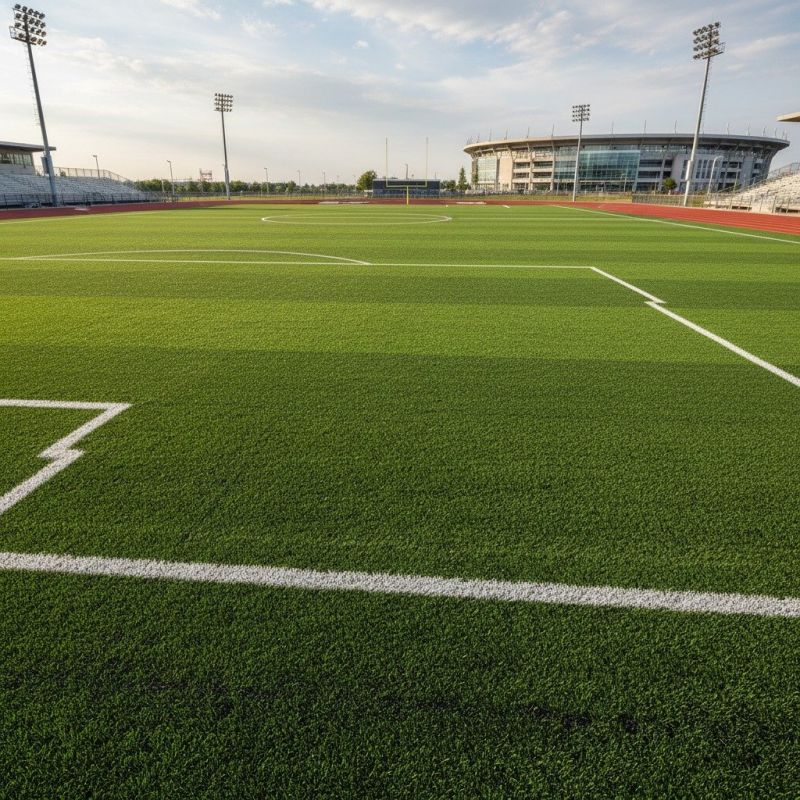
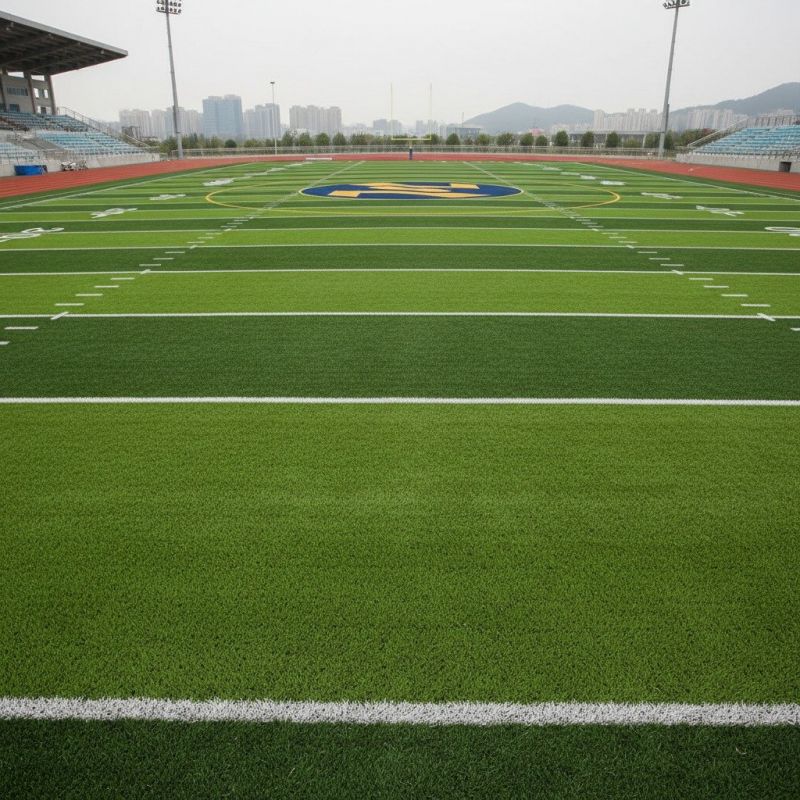
When people search for signs your artificial grass needs repair, they are typically trying to identify when their synthetic turf has developed issues that compromise its appearance, safety, or functionality. Homeowners often notice uneven surfaces, bald patches, or areas where the grass fibers are worn down or flattened. These signs can indicate underlying problems such as infill displacement, fiber deterioration, or improper installation. Recognizing these early warning signs can help property owners determine whether repairs are needed to restore the turf’s visual appeal and safe use, preventing further damage and extending the lifespan of the installation.
The types of problems associated with damaged artificial grass often relate to wear and tear from regular use, exposure to the elements, or inadequate initial installation. Common issues include loose or lifted seams, which can cause tripping hazards or uneven surfaces; bald patches where the turf has worn thin or been torn away; and matting or flattened areas that lose their natural look and cushioning. In some cases, staining or discoloration may also appear, indicating that the turf’s fibers or infill have been compromised. These problems are relevant to property owners planning outdoor renovations, sports fields, or residential yards, as they directly impact the safety, appearance, and usability of the artificial grass.
Properties that typically encounter these issues span a wide range of settings. Residential homes with landscaped yards often see signs of wear from foot traffic, pets, or weather exposure. Commercial properties, including outdoor event spaces or retail storefronts, may experience more frequent damage due to higher foot traffic or heavy equipment. Sports fields and recreational facilities are also common sites for artificial grass repairs, particularly when high-impact activities cause seams to split or fibers to break down. Regardless of the property type, recognizing early signs of damage can help property owners connect with local contractors who specialize in artificial turf repair, ensuring that the turf remains safe, attractive, and functional for years to come.
Understanding the signs your artificial grass needs repair can help property owners plan for timely maintenance and avoid more extensive damage. Local service providers who specialize in artificial turf repair are equipped to evaluate the condition of the turf, identify underlying issues, and perform the necessary repairs. Whether it’s re-seaming seams, replacing worn fibers, or restoring the infill, these professionals can help restore the turf’s original look and safety. Connecting with reputable local contractors ensures that repairs are handled efficiently and effectively, helping property owners maintain a beautiful, durable outdoor space that meets their needs.
Landscape installation projects - installing new lawns or decorative features involves planning and precision work similar to assessing and repairing artificial grass damage.
Drainage system upgrades - improving or fixing drainage requires understanding of ground conditions and proper surface preparation, skills useful in turf repair.
Ground leveling services - ensuring a smooth, even surface for various landscaping needs directly relates to fixing uneven or sunken areas in artificial turf.
Patio and walkway construction - building or repairing paved surfaces involves planning and material handling that align with turf patching and seam repairs.
Soil grading and prep work - preparing ground for planting or construction shares techniques used in preparing artificial turf for repair or reinstallation.
Hardscape installation projects - installing features like retaining walls or borders requires planning and precision that can be applied to turf seam repairs and edging.
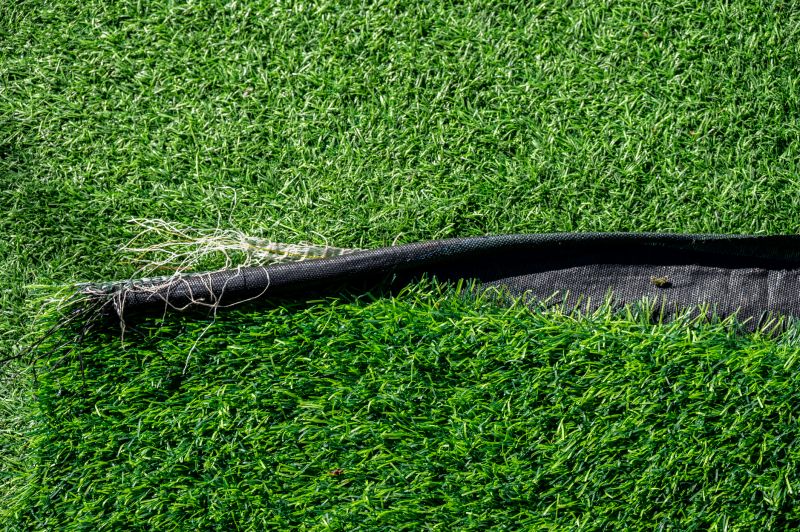
When evaluating local contractors for artificial turf repair, it is important to consider their experience working on similar projects. Homeowners should inquire about the types of repairs they have completed and whether they are familiar with addressing common issues such as uneven surfaces, tears, or worn areas. Contractors with a history of successfully handling artificial grass repairs are more likely to understand the nuances of different turf products and installation techniques, which can contribute to a more seamless and long-lasting repair.
Clear, written expectations are essential when comparing service providers. Homeowners should seek detailed descriptions of the scope of work, including what repairs are included, the materials used, and the process involved. Having this information in writing helps ensure that both parties agree on what will be done and reduces the risk of misunderstandings. Service providers who can articulate their approach and provide a comprehensive plan demonstrate professionalism and a commitment to transparency, making it easier to evaluate their suitability for the job.
Reputable references and good communication are key factors in selecting the right local contractor. Homeowners are encouraged to ask for references from previous clients who had similar repairs completed. Hearing about others’ experiences can provide insight into the contractor’s reliability and quality of work. Additionally, service providers who are responsive and willing to answer questions clearly can facilitate a smoother repair process. Open communication helps ensure that expectations are aligned and that any concerns are addressed promptly, leading to a more confident decision when choosing a professional for artificial turf repair.
Property owners often search for signs your artificial grass needs repair when they are planning practical projects around their homes and businesses. Local pros provide Artificial Turf Repair services for everyday jobs and straightforward project options.
Signs your artificial grass needs repair can often be noticed through common issues that arise with regular use. For instance, uneven surfaces or areas where the turf appears lifted or detached from the ground might indicate underlying problems with the installation or wear over time. Additionally, visible damage such as tears, bald patches, or excessive matting can diminish the appearance and functionality of the turf, prompting property owners to seek professional repair services to restore a smooth, natural look.
Property owners in the area might also observe drainage problems, where water pools or takes longer to drain after rain, suggesting that the infill or base beneath the turf may need attention. Fading or discoloration caused by prolonged exposure to sunlight can also be a sign that the turf is deteriorating and could benefit from repairs or replacement. In such cases, local contractors specializing in artificial turf repair can assess the damage and provide solutions to maintain the turf’s appearance and performance.
What are common signs that artificial grass needs repair? Visible bald patches, uneven surface, or areas where the turf is lifting can indicate the need for repairs by local contractors.
How can I tell if the infill in my artificial turf has worn out? If the infill appears sparse or has shifted significantly, it may be a sign that artificial grass requires professional repair to restore its stability.
What does it mean if my artificial grass has developed bald spots? Bald spots often result from heavy foot traffic or improper installation and can be addressed by local service providers to restore a uniform appearance.
Are there signs of damage to the backing or seams of artificial turf? Cracks, tears, or separated seams are indicators that repair services are needed to prevent further deterioration.
How can I identify if weeds or pests are affecting my artificial grass? The appearance of weeds growing through the turf or signs of pest activity can signal the need for repairs or treatment from local contractors.
Uneven or lumpy surface - noticing irregularities or bumps in the turf can indicate underlying damage that needs professional repair to restore a smooth appearance.
Faded or discolored areas - patches of artificial grass that have lost their color may require patching or replacement services from local contractors.
Loose or lifted sections - areas where the turf is coming away from the ground suggest the need for re-securing or re-installation by experienced service providers.
Visible seams or tears - damaged seams or tears in the turf can lead to further deterioration and should be addressed by qualified repair specialists.
If you are thinking about signs your artificial grass needs repair for a property, this guide is meant to help you understand this topic, the typical project types, and how different options might fit your plans.
When you are ready, you can use the quote form on this page to share a few details about your project. From there, local pros can review the basics and follow up with options that match what you have in mind.